
Buyer Guide · 7 min read
How to Read a Supplement Label: 10 Things Most People Miss
A practitioner's guide to the small print that actually determines whether your supplement is doing anything.
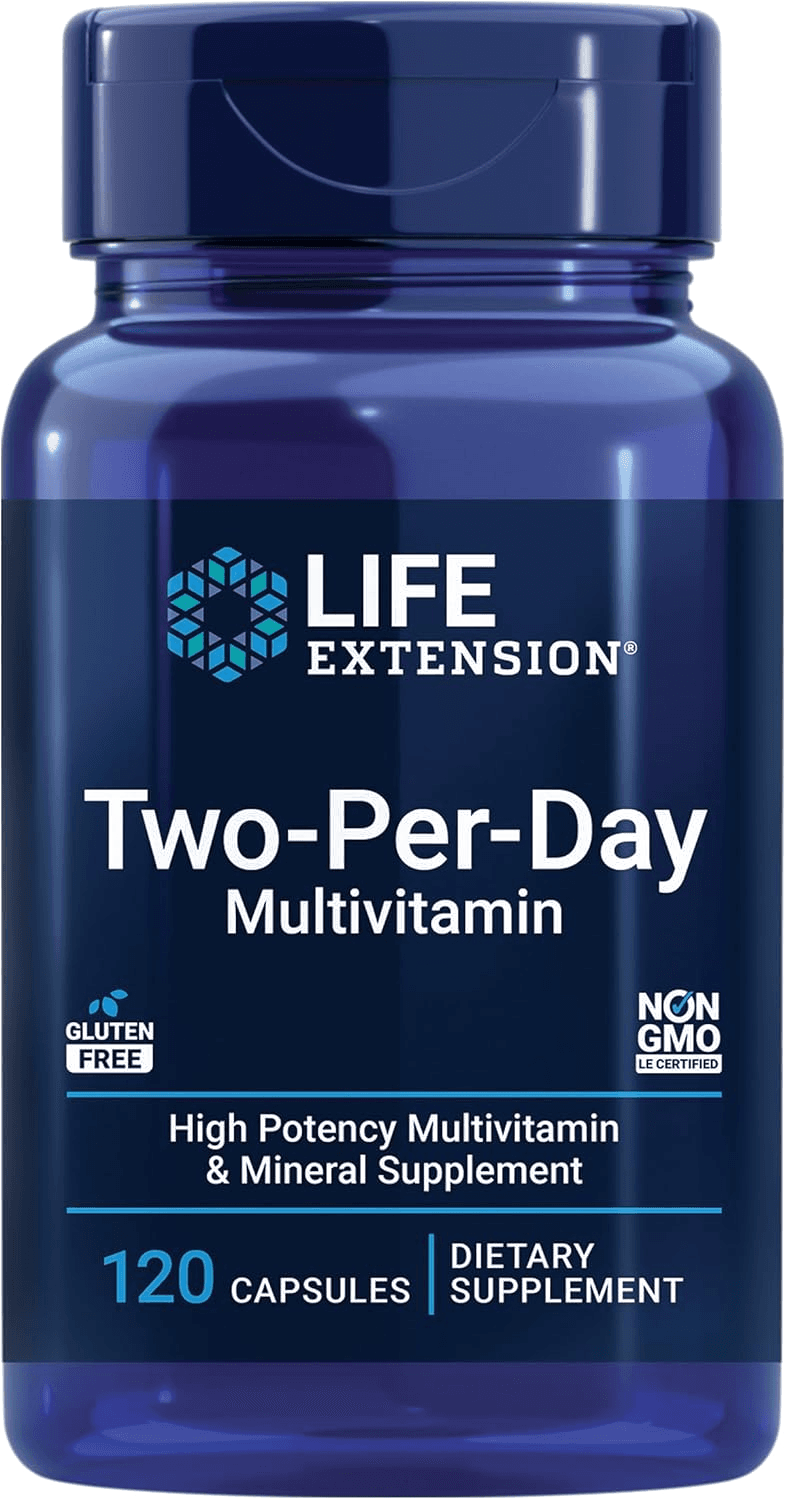
Most supplement labels are designed to look legitimate, not to be legitimate. The supplement industry has been growing for forty years; consumers are getting more sophisticated; brands are getting better at making labels that pattern-match to "real" without actually being real.
Here are the ten label features that separate an effective formulation from an expensive multivitamin scam.
1. Look for the active form, not just the nutrient name
"Vitamin B12" can mean cyanocobalamin (the cheap synthetic form, ~5% absorbed by some people) or methylcobalamin (the active form your body actually uses). "Folate" can mean folic acid (synthetic, requires a multi-step conversion that ~40% of people don't do efficiently due to MTHFR gene variants) or 5-MTHF (the active form everyone can use). "Vitamin K" should specify K1 or K2 — they have different functions.
If the label just says "B12" or "folate" with no form specified, assume the cheap form.
2. Check the serving size, not the bottle size
"100 capsules" is meaningless if the daily dose is 5 capsules. That's 20 days of supply, not 100. Calculate the cost per serving — that's the real economics. A $30 bottle with 100 servings is cheaper than a $20 bottle with 30 servings.
3. "Proprietary blend" is a red flag
If the label says "Energy Blend: 500 mg" without listing each ingredient's individual weight, the brand is hiding the formula. Common reason: most of the 500 mg is the cheap filler ingredient and only a trace amount is the marketed active. A real formulation lists every ingredient with its weight.
4. The "% Daily Value" tells you what dose the brand actually picked
A B-complex listing 1,000% DV of B12 means the brand picked a clinical dose (~6 mcg of cyanocobalamin equivalent would be 100% DV; 60 mcg would be 1,000%). A B-complex listing 100% DV of B12 means the brand was hitting RDA minimums.
For most B-vitamins, doses in the 500-5,000% DV range are where the clinical research lives. For fat-soluble vitamins (A, D, E, K), more is not always better — these can accumulate.
5. "Other ingredients" is where the magnesium stearate and titanium dioxide hide
The "Other Ingredients" section lists binders, fillers, coatings, and capsule materials. Common culprits:
- Magnesium stearate — a lubricant. Common, debated as to whether it impairs absorption. Many practitioner-grade brands (Thorne, Pure Encapsulations) avoid it.
- Titanium dioxide — banned in food in the EU but still allowed in US supplements as a colorant. Avoid.
- Hydrogenated oils — capsule lubricants. Outdated; modern brands use better alternatives.
- Artificial colors (FD&C Red 40, Yellow 5) — common in children's vitamins and gummies. Avoid.
6. The certifications that actually mean something
In rough order of how much each tells you about quality:
- USP Verified — the gold standard. Tests for ingredient identity, potency, purity, and dissolution. Few brands carry it because the testing is expensive.
- NSF Certified for Sport — tests for nearly 300 banned substances. Required for athletic supplements.
- ConsumerLab approved — independent testing organization, paid memberships
- NPA A-rated GMP — meaningful but baseline (most legitimate brands have this)
- Non-GMO Project Verified — useful for plant-based ingredients
- USDA Organic — meaningful for botanical ingredients
What doesn't mean as much:
- "Made in a GMP facility" — most facilities are GMP-compliant by law
- "Third-party tested" — meaningless without naming the third party
- "Doctor formulated" — anyone with an MD can put this on a bottle
7. The "Supplement Facts" panel format matters
A real supplement label uses the FDA-mandated "Supplement Facts" panel format — black borders, specific layout. If it looks like a "Nutrition Facts" panel, the product is being sold as a food, not a supplement. Both are legal but have different testing requirements.
8. Check the manufacturer, not just the brand
Many supplement brands are owned by holding companies that contract out manufacturing. The brand on the label may not be making the product. Look for:
- Manufactured by [X], distributed by [Y] — common pattern
- The actual manufacturer's name and location should be on the label (FDA requirement)
- If the manufacturer is a contract manufacturer with multiple brands using the same recipe, you're often paying brand premium for commodity formulation
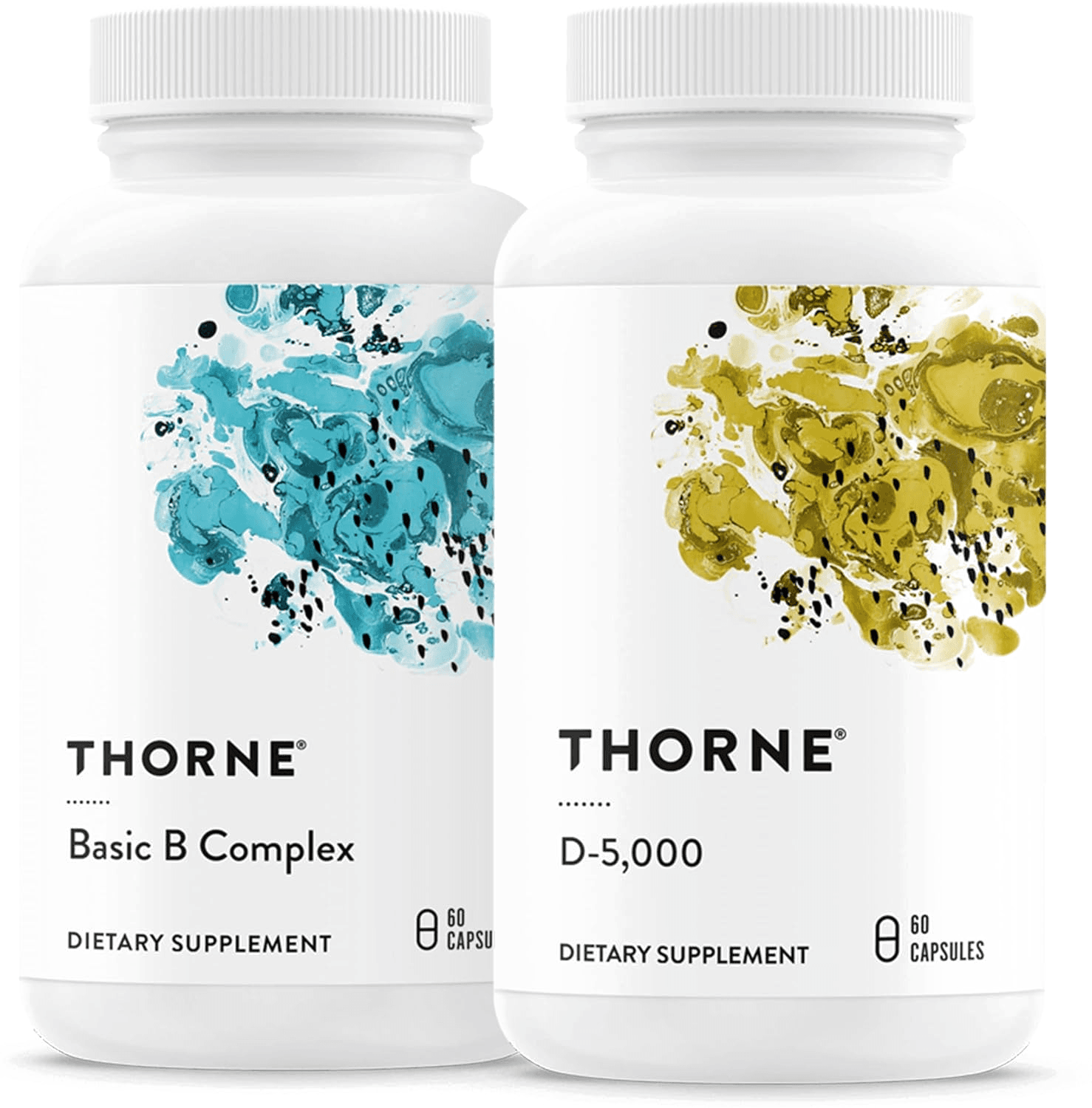
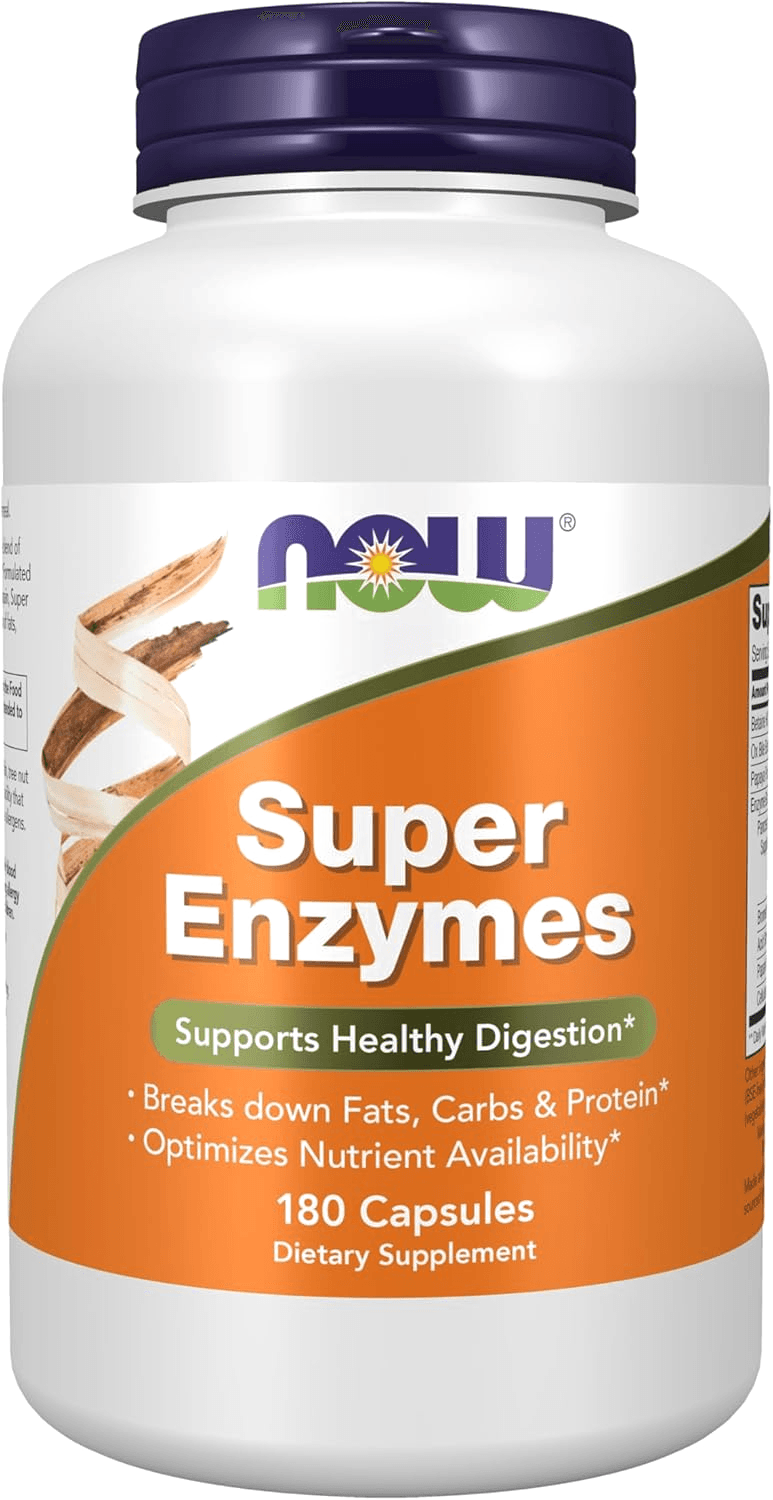
The brands that manufacture in-house (NOW Foods, Life Extension, Thorne, Gaia Herbs) generally have better quality control because they own the process end-to-end.
9. Storage instructions tell you something
"Store in cool, dry place away from light" is generic and applies to most supplements. "Refrigerate after opening" means the product contains live cultures (probiotics) or oxidation-prone oils (fish oil). "Use within 90 days of opening" means active compounds degrade quickly.
These instructions are signals about what's in the product and whether the brand cares about the actives surviving until you finish the bottle.
10. The expiration date — and what "use by" means
Supplement potency degrades over time. The FDA doesn't require expiration dates on supplements, but reputable brands include them. "Best by" and "use by" dates indicate when the brand can no longer guarantee label-claim potency.
A bottle dated more than 3 years from purchase is suspicious — that suggests minimal active ingredient that won't degrade meaningfully (or no expiration testing was done).
What to do with all this
You don't need to memorize this list. Read one bottle, slowly, with this list open. After 2-3 bottles you'll naturally start scanning for the right things. Most supplement labels will fail at least two of these tests — that's how you learn which brands are actually doing the work.
The brands we carry on this site have all been audited against this checklist. The ones that didn't pass aren't here.
Mentioned in this guide
Shop the formulas referenced above.
About the editorial team
Our editorial team is led by a Naturopathic Doctor (ND) and a clinical herbalist with 15+ years in functional medicine. Every post is reviewed before publishing.
The information in this article is for educational purposes only. It is not medical advice and is not intended to diagnose, treat, cure, or prevent any disease. Always consult a qualified healthcare practitioner before starting a new supplement, particularly if you are pregnant, nursing, taking medication, or have a chronic medical condition.