
Buyer Guide · 8 min read
The 5 Best Probiotic Strains and What They Actually Do (Not What the Label Implies)
Forget the CFU count. The strain is what matters — and the marketing rarely tells you which strain is in the bottle.
Probiotics are one of the most-bought and least-understood categories in supplements. Most consumers pick a probiotic based on CFU count (the number of live organisms per dose) — bigger is better, right? Not necessarily.
The reality: the specific strain matters more than the CFU count. Different strains do different things. A 50-billion CFU bottle of the wrong strain for your goal does less than a 10-billion CFU bottle of the right strain.
Here's a practitioner's tour of the five strains with the strongest evidence base, what each is actually good for, and how to identify them on a label.
Reading strain labels
Probiotic strains have three-part names like Lactobacillus rhamnosus GG (genus, species, strain). The strain code at the end — GG, BB-12, DSM-17938 — is the specific clinical entity. The genus and species alone are not specific enough. "Lactobacillus rhamnosus" is a category; "Lactobacillus rhamnosus GG" is the actual organism that the clinical trials studied.
If a probiotic label only lists genus and species ("Lactobacillus acidophilus, 5 billion CFU"), you don't actually know what you're taking. The strain is what was studied.
The five strains with the strongest evidence
1. Lactobacillus rhamnosus GG — the gut classic
The most-studied probiotic strain in human history. Over 1,500 published trials. Strong evidence for:
- Antibiotic-associated diarrhea prevention (reduces incidence by ~60% in meta-analyses)
- Pediatric acute gastroenteritis (shortens duration by ~1 day)
- Eczema prevention in infants (when given to mothers prenatally and infants in first months)
- Travel diarrhea prevention (modest effect)
Found in: Culturelle products; some multi-strain blends.
2. Saccharomyces boulardii — the yeast that isn't really a yeast
Technically a yeast, not a bacterium — but functions as a probiotic. Resistant to antibiotics (which is unusual), making it the ideal probiotic to take during an antibiotic course. Strong evidence for:
- Antibiotic-associated diarrhea (most-supported indication; particularly C. difficile)
- Inflammatory bowel disease maintenance
- Acute infectious diarrhea
Found in: Florastor; some IBD-targeted formulas.
3. Bifidobacterium lactis BB-12 — the immune one
Originally isolated from Danish dairy cultures. Strong evidence for:
- Immune function support (increases IgA and immune cell counts in multiple trials)
- Reduced respiratory infection incidence in older adults and children
- Bowel regularity (modest effect on constipation)
Found in: Many multi-strain immune-focused formulas; Activia yogurt.
4. Lactobacillus reuteri DSM 17938 — the infant colic strain
One of the few probiotics with strong evidence specifically for infant colic. A 2014 meta-analysis showed about 50 minutes less crying per day in breastfed infants given this strain over a 3-week trial. Also studied for:
- H. pylori adjunct therapy
- Functional abdominal pain in children
Found in: BioGaia products; pediatric-targeted probiotics.
5. Lactobacillus reuteri and L. crispatus — the women's-health strains
For vaginal microbiome support, the strains that matter are the ones naturally found in healthy vaginal microbiota — primarily Lactobacillus crispatus (the dominant species) plus L. iners, L. jensenii, L. rhamnosus, and L. reuteri.
Generic "Lactobacillus acidophilus" probiotics, despite the marketing, are not the same thing. The vaginal microbiome is its own ecosystem; you need products formulated for it specifically.
Found in: Solaray Mycrobiome Women's Formula; Jarrow Fem-Dophilus.
What to look for in a probiotic supplement
- Strain codes on the label (DSM 17938, GG, BB-12, etc.) — not just genus and species
- CFU guaranteed at expiration, not just at manufacture (probiotics die in transit; only the expiration-guaranteed count tells you what you're actually getting)
- Multi-strain blends for general gut health; single-strain products for specific indications
- Shelf-stable formulation unless you'll definitely refrigerate
- Delayed-release capsule to survive stomach acid (probiotics die in pH < 3)
What we carry
We stock three probiotic options that cover the main use cases:
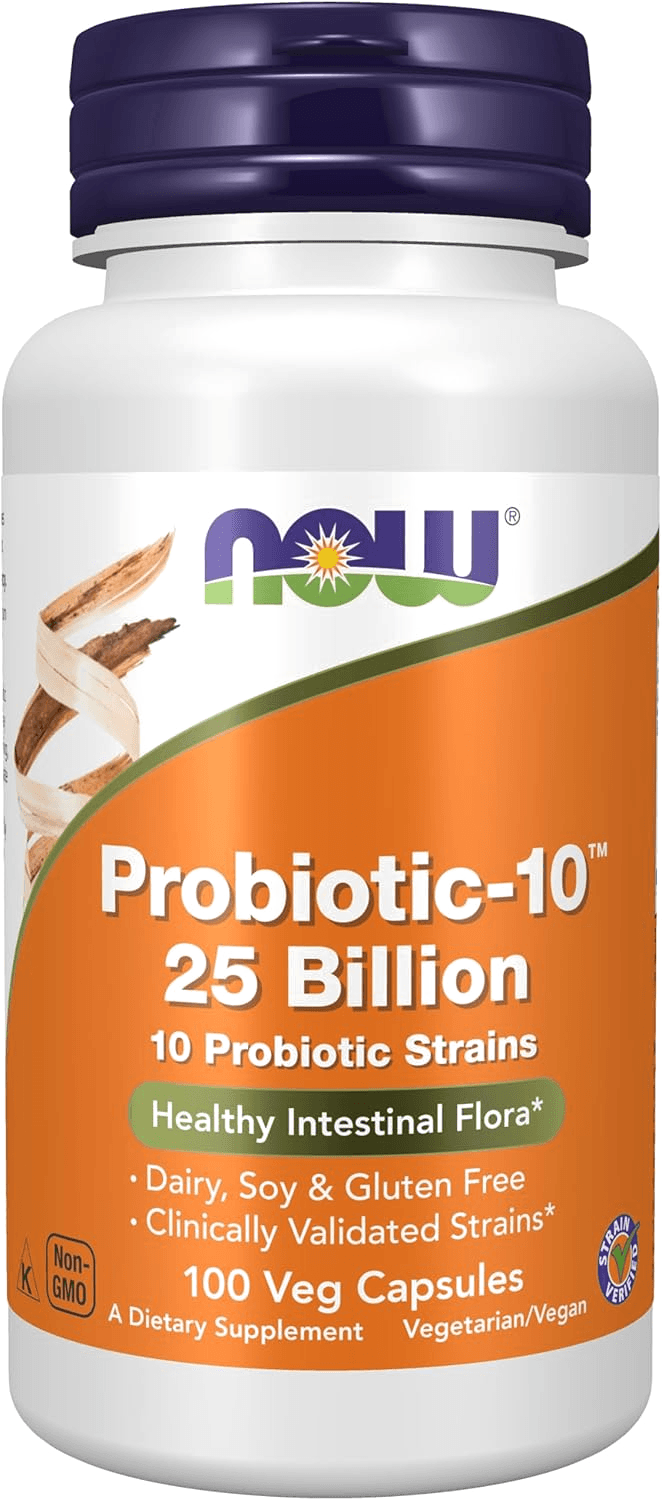
NOW Probiotic-10, 25 Billion — a balanced 10-strain blend for general gut health. The strains include the well-studied Lactobacillus acidophilus, L. plantarum, L. rhamnosus, Bifidobacterium lactis, B. longum, B. bifidum. 25 billion CFU guaranteed through expiration. 100 capsules, $26.99. This is the default for most adults.
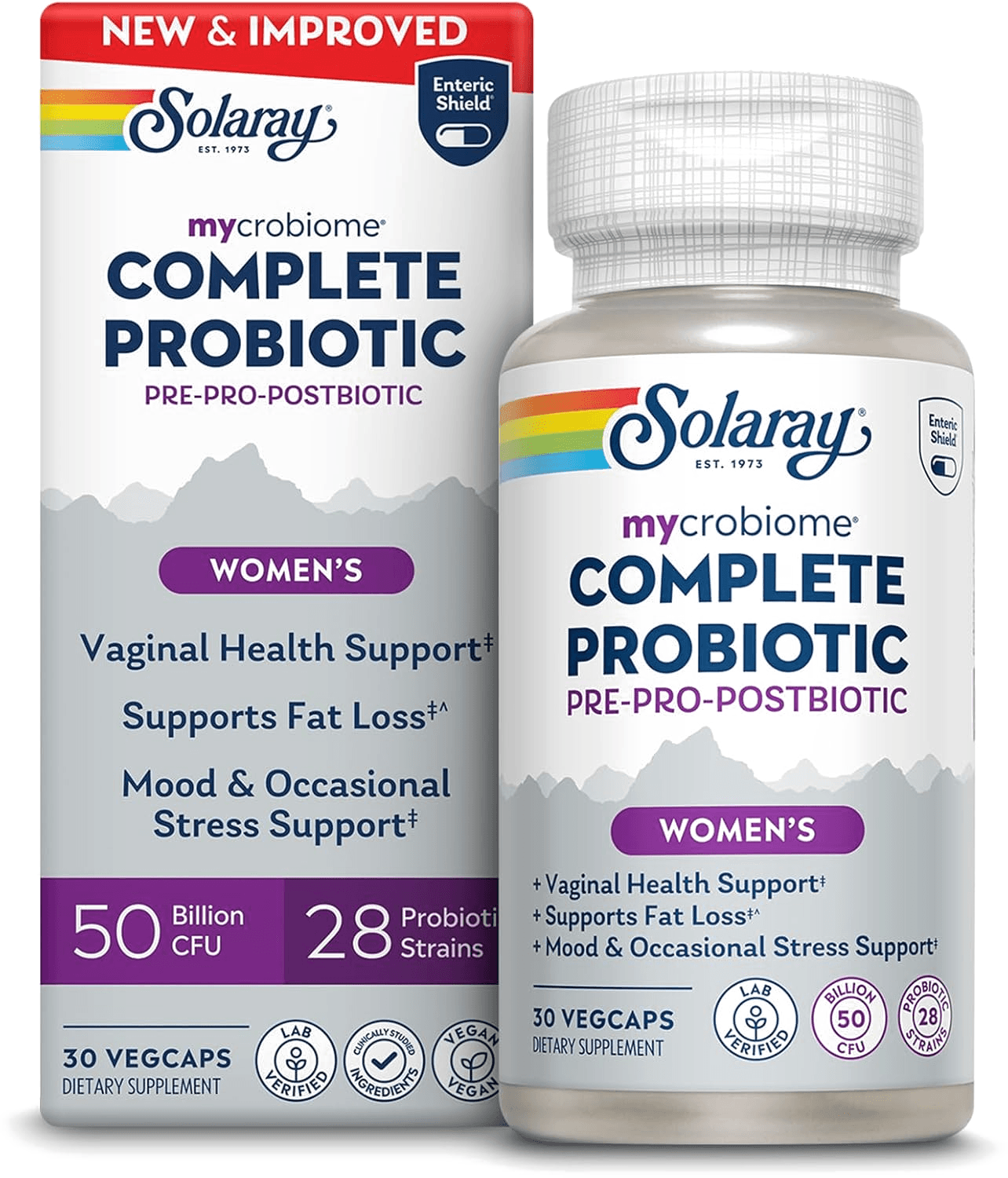
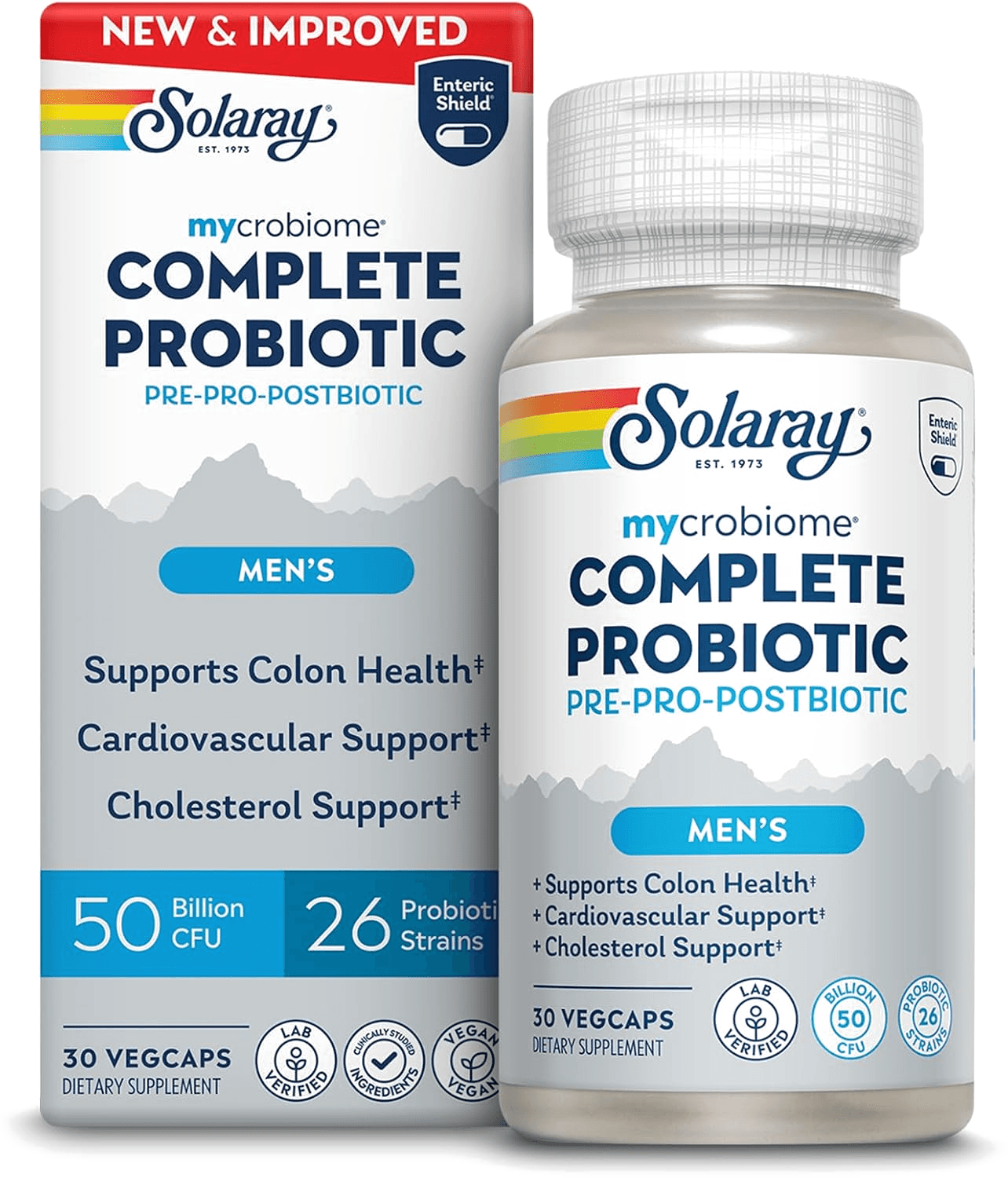
Solaray Mycrobiome Probiotic — Women's Formula and Men's Formula — segmented blends for vaginal/women's gut health (women's) and gut/prostate microbiome (men's). 30 capsules each, $32.99-33.95.
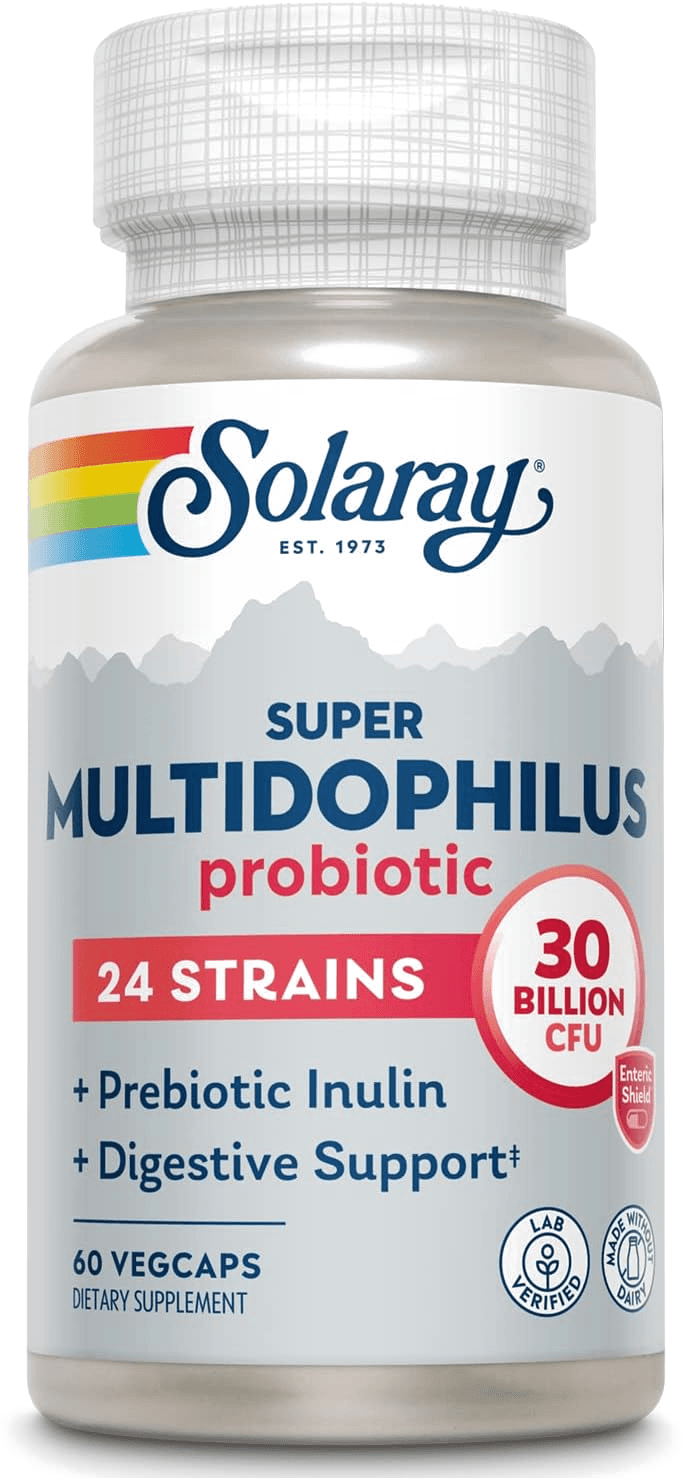
Solaray Multidophilus 24-Strain, 30 Billion CFU — the broadest blend we stock. 24 strains across the Lactobacillus and Bifidobacterium families. Best for people who've taken antibiotics recently and want broad recolonization. 60 capsules, $26.54.
For specific indications (infant colic, IBS, H. pylori adjunct), the specific-strain products (BioGaia, Florastor) are still the right call — talk to a practitioner. For general gut and immune support, the multi-strain blends above will do the job.
Mentioned in this guide
Shop the formulas referenced above.
About the editorial team
Our editorial team is led by a Naturopathic Doctor (ND) and a clinical herbalist with 15+ years in functional medicine. Every post is reviewed before publishing.
The information in this article is for educational purposes only. It is not medical advice and is not intended to diagnose, treat, cure, or prevent any disease. Always consult a qualified healthcare practitioner before starting a new supplement, particularly if you are pregnant, nursing, taking medication, or have a chronic medical condition.