Buyer Guide · 9 min read
How to Build a Daily Mushroom Stack: Lion's Mane, Reishi, Cordyceps & Turkey Tail
Four mushrooms, four different jobs. A practitioner's guide to stacking them — and what most brands get wrong about mycelium vs fruiting body.
Functional mushrooms went mainstream around 2018 and never came back down. There are now more "mushroom coffee" brands than there are actual mushroom researchers — and the marketing has gotten so loud that the actual differences between the species, and the actual evidence base, have gotten lost.
This guide is here to fix that.
The four mushrooms most people should care about
The dozens of medicinal mushroom species can be narrowed to four that have the strongest combination of historical use and modern clinical evidence: Lion's Mane, Reishi, Cordyceps, and Turkey Tail. Each does a meaningfully different job.
Lion's Mane (Hericium erinaceus) — for the head
Lion's Mane is the cognitive mushroom. It contains two unique compound classes — hericenones (in the fruiting body) and erinacines (in the mycelium) — that have been shown to stimulate Nerve Growth Factor (NGF) production. NGF is the molecule responsible for the growth, maintenance, and survival of neurons.
The clinical evidence:
- A 2009 Japanese double-blind trial showed measurable cognitive improvement in subjects with mild cognitive impairment after 16 weeks of lion's mane supplementation. Effects faded 4 weeks after stopping.
- Multiple smaller trials have shown improvements in anxiety and sleep quality.
- Animal models are extensive and consistent.
Take it for: memory, focus, recovery from neurological stress, support during cognitively demanding periods (exams, intense creative work, post-concussion recovery — under medical supervision).
Dose: 500–1,500 mg of dual-extract powder daily, or 2–3 capsules of a quality formula.
Reishi (Ganoderma lucidum) — for the parasympathetic nervous system
Reishi is the calm mushroom. Traditional Chinese medicine has used it for 2,000+ years as a shen tonic — a "spirit" or nervous-system tonic. Modern research has clarified that the primary action is on the HPA axis (the body's stress-response system), with documented modulation of cortisol patterns and parasympathetic tone.
Reishi contains triterpenoids (notably ganoderic acids) that are unique to this species, along with polysaccharide complexes that have well-documented immune-modulating effects.
Take it for: stress, sleep, immune resilience, calming the system in the evening.
Dose: 1,000–2,000 mg daily, ideally split between morning and evening. Reishi is bitter — most practitioners take it as a tincture or in a multi-mushroom blend.
Note: Reishi is not a stimulant. Don't take it expecting energy. It's an adaptogen on the calming side of the spectrum.
Cordyceps (Cordyceps militaris or Cordyceps sinensis) — for athletic output
Cordyceps is the energy mushroom. The traditional Tibetan use is for high-altitude endurance — yak herders chew it raw. The modern athletic-performance research has been remarkably consistent:
- Multiple trials show improvements in VO2 max with 4–8 weeks of cordyceps supplementation
- Improvements in time-to-exhaustion in cyclists and runners
- The mechanism appears to involve improved ATP production at the mitochondrial level
Take it for: endurance training, altitude exposure, post-illness recovery of energy, age-related fatigue.
Dose: 1,000–3,000 mg daily, taken in the morning. Cordyceps can be mildly stimulating — don't take it at night.
Important: Wild Cordyceps sinensis is endangered and absurdly expensive ($20,000/lb at wholesale). Quality cordyceps supplements use cultivated C. militaris, which is identical in active compound profile and is what every reputable brand uses.
Turkey Tail (Trametes versicolor) — for the gut and the immune system
Turkey Tail is the most-studied medicinal mushroom in the world — there are over 400 clinical trials on it. The bulk of that research is on two specific polysaccharide fractions, PSK and PSP, which are approved as adjunct cancer therapies in Japan and China.
For non-oncology uses, turkey tail's most established action is on the gut microbiome. The polysaccharides act as prebiotics — they're fermented by beneficial gut bacteria — and the resulting microbiome shifts have been documented in human trials.
Take it for: gut microbiome support, immune support, post-antibiotic recovery.
Dose: 1,000–2,000 mg daily of a hot-water extract.
How to stack them
There are two ways to take multiple mushrooms:
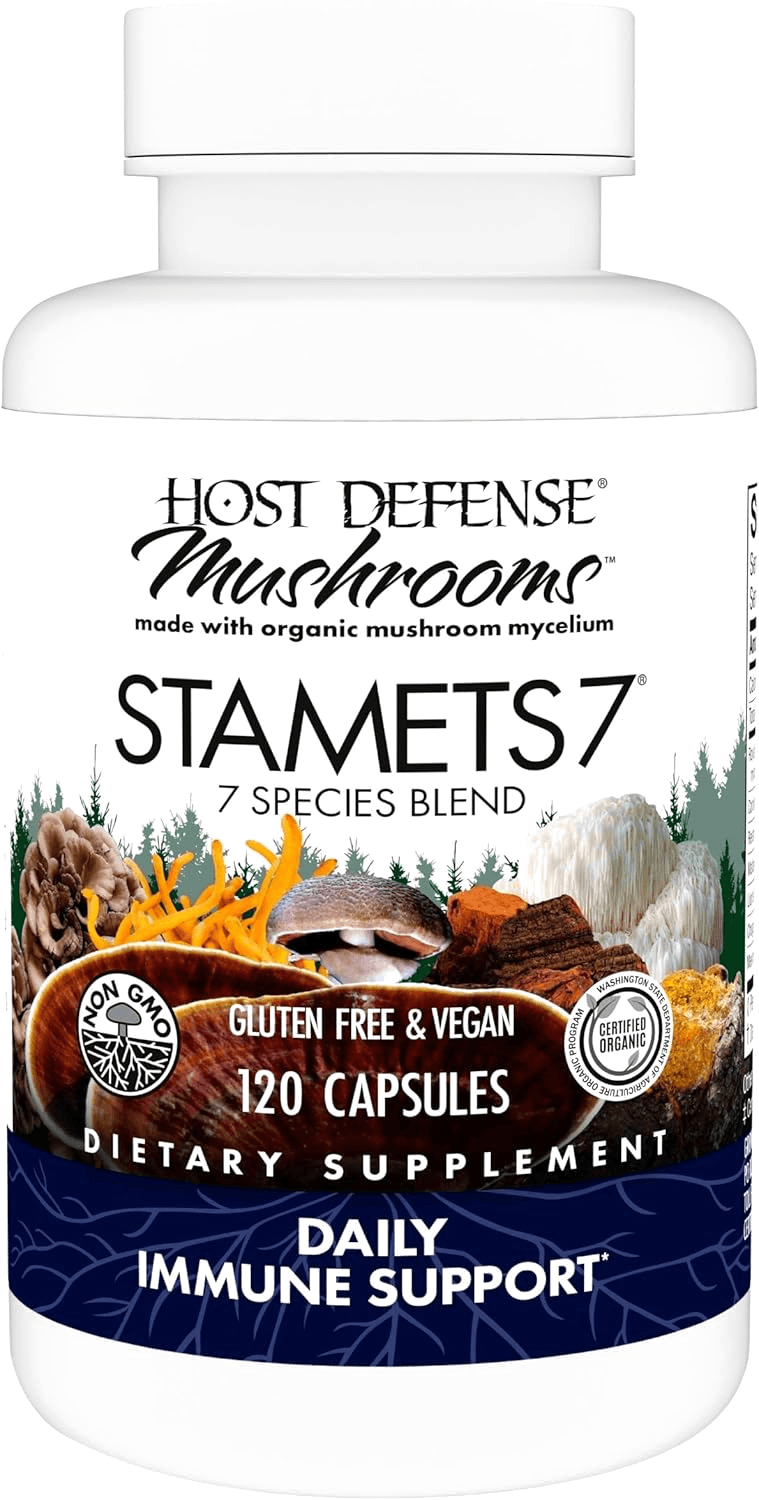
Option A: A single multi-mushroom blend. Easier, lower cost. Host Defense's Stamets 7 is the most-studied of these — a seven-species blend including all four of the above. Two capsules daily.
Option B: Individual species, rotated or stacked. More control, more nuance. A common practitioner stack:
- Morning: Lion's Mane + Cordyceps (for cognitive output and energy)
- Evening: Reishi + Turkey Tail (for stress recovery and gut support)
The mycelium vs fruiting body debate
There's been a long, loud argument in the mushroom-supplement world about whether mycelium (the root-like underground network) or the fruiting body (what you see above ground) is the "real" mushroom. The argument has been amplified by brand marketing that conveniently aligns with whichever format the brand happens to grow.
The truthful answer: both have validated medicinal compounds, in different ratios, and the best products use both.
- Mycelium has higher concentrations of certain compounds (notably erinacines in Lion's Mane)
- Fruiting bodies have higher concentrations of others (notably hericenones, beta-glucans)
- Mycelium grown on grain substrate will contain residual grain — quality mycelium products test their beta-glucan content to verify
The brands that get this right:
- Host Defense grows mycelium on organic brown rice substrate and tests beta-glucan content — Paul Stamets has been doing this for 40 years
- Gaia Herbs uses fruiting bodies for their Lion's Mane
Both are credible. Avoid brands that won't tell you what they're using.
Who should be careful
- Anyone on immunosuppressants — medicinal mushrooms upregulate immune function. Talk to your doctor.
- Anyone with autoimmune disease — same reason. The evidence is mixed; some people do well, some flare. Start low, watch carefully.
- Pregnancy and nursing — not well-studied. Most practitioners advise pausing.
What we carry
We stock both Host Defense (Paul Stamets' brand — mycelium specialists) and Gaia Herbs (fruiting body). Our top-selling mushroom products:
- Host Defense Stamets 7 — the 7-species daily blend; what to start with if you're not sure
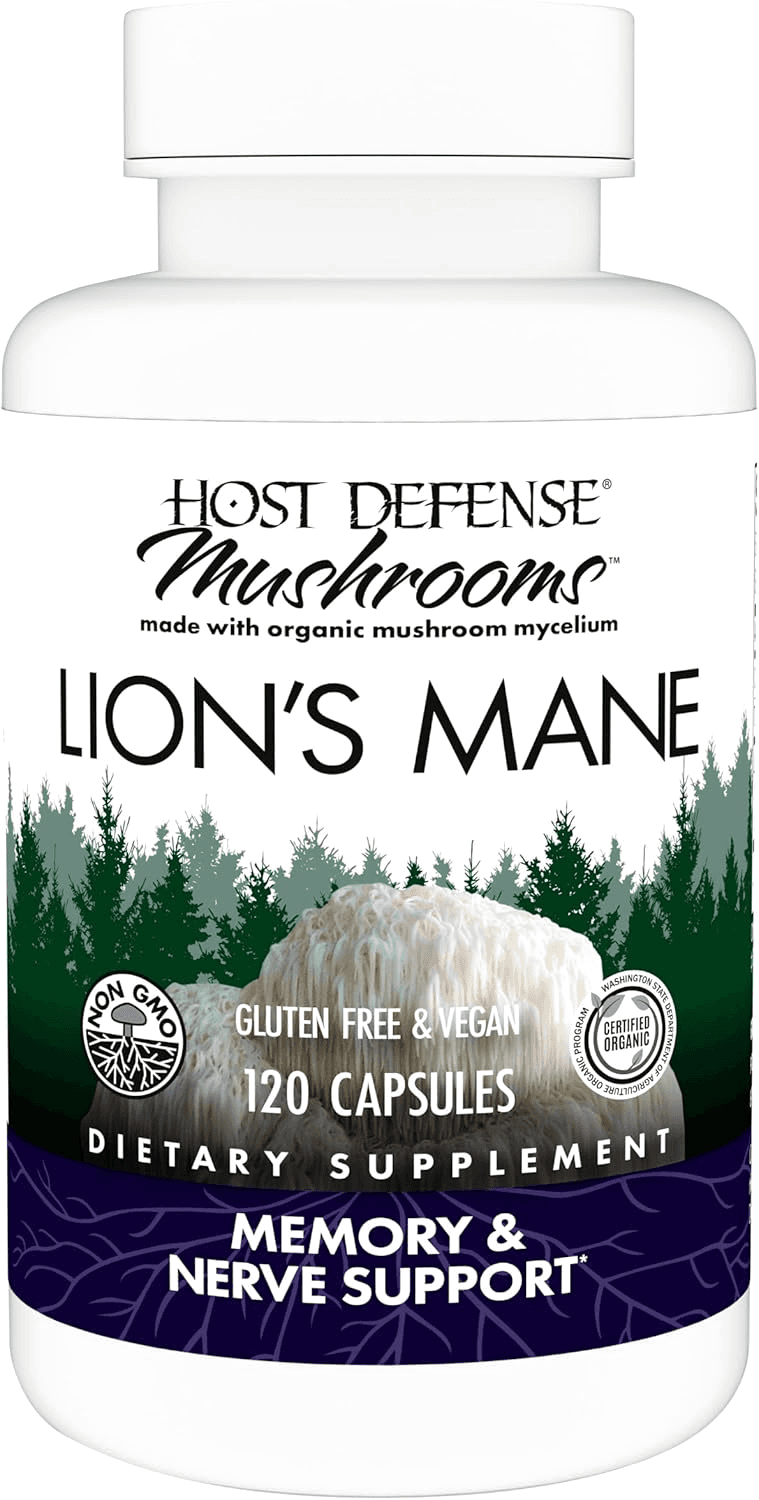
- Host Defense Lion's Mane — single-species, 120 capsules; the cognitive entry point
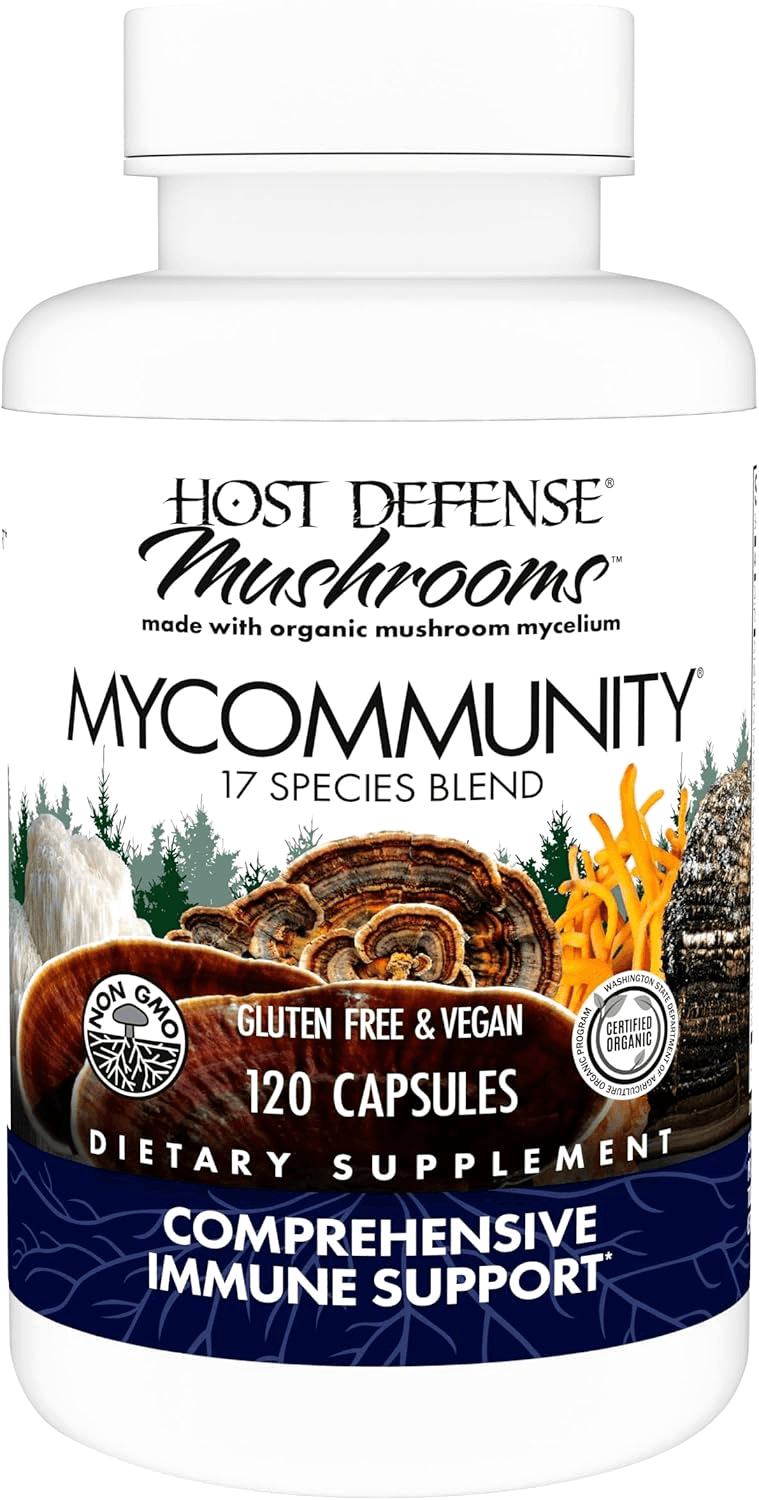
- Host Defense MyCommunity — the 17-species immune blend; for cold season
- Gaia Herbs Lion's Mane — fruiting body format if you prefer that source
- Host Defense Turkey Tail — for the gut microbiome work
If you want to talk to someone about which to start with for your situation, our team answers wholesale@herbalconnections.store within one business day.
Mentioned in this guide
Shop the formulas referenced above.
Host Defense
Stamets 7
Seven mushrooms, daily defense
Host Defense
Lion's Mane (120 ct)
The smart mushroom, daily
Host Defense
MyCommunity
Seventeen mushrooms, full-spectrum
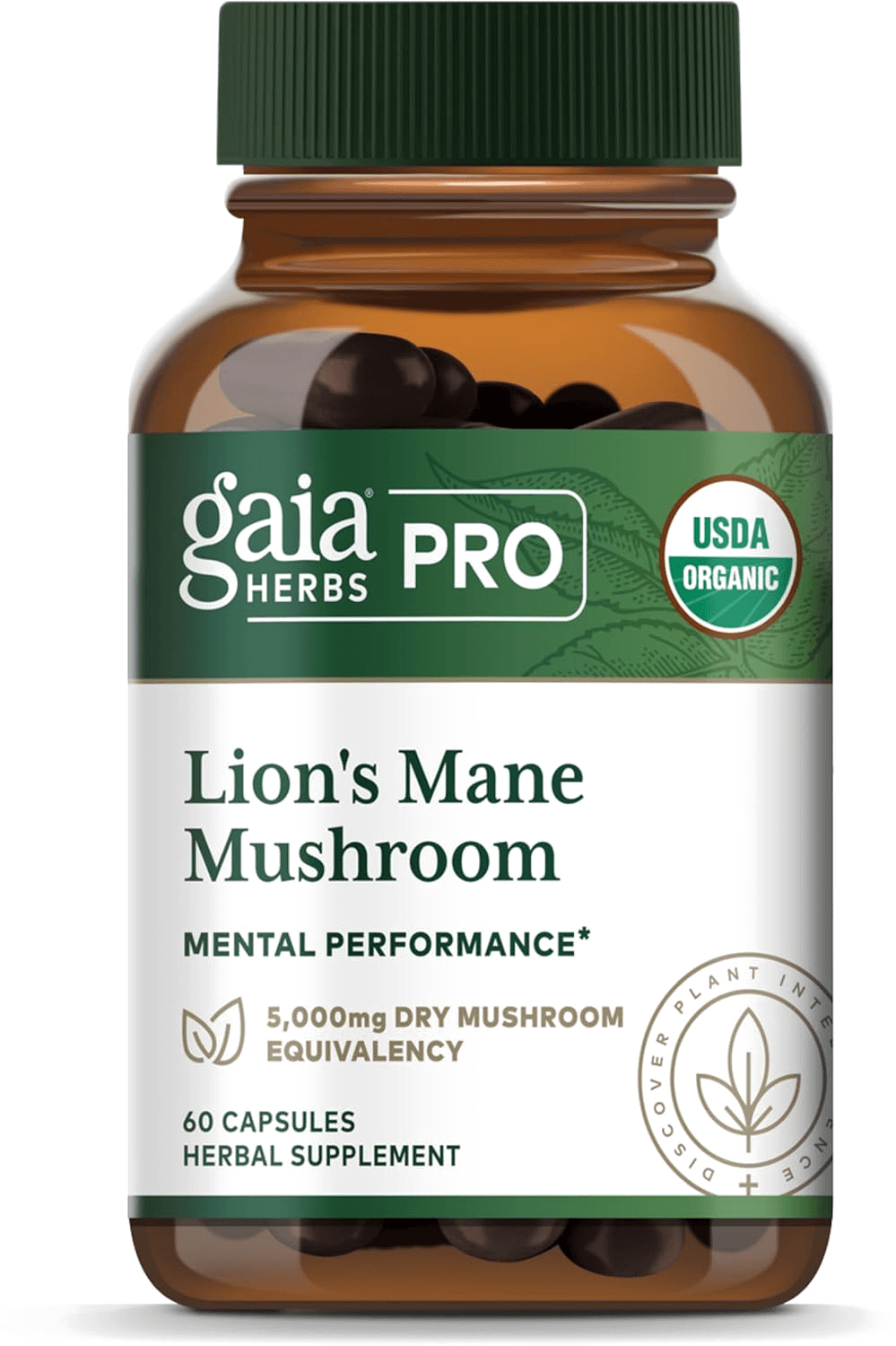
Gaia Herbs
Lion's Mane
Organic, gluten-free, brain support
About the editorial team
Our editorial team is led by a Naturopathic Doctor (ND) and a clinical herbalist with 15+ years in functional medicine. Every post is reviewed before publishing.
The information in this article is for educational purposes only. It is not medical advice and is not intended to diagnose, treat, cure, or prevent any disease. Always consult a qualified healthcare practitioner before starting a new supplement, particularly if you are pregnant, nursing, taking medication, or have a chronic medical condition.