
Buyer Guide · 7 min read
Best Magnesium for Sleep: Threonate, Glycinate, Citrate & Oxide Compared
Three of our magnesium options — Life Extension Neuro-Mag (threonate), Life Extension Magnesium Caps (three-form), and Solaray Cal-Mag Citrate — head-to-head for sleep, cognition, and daily mineral support.
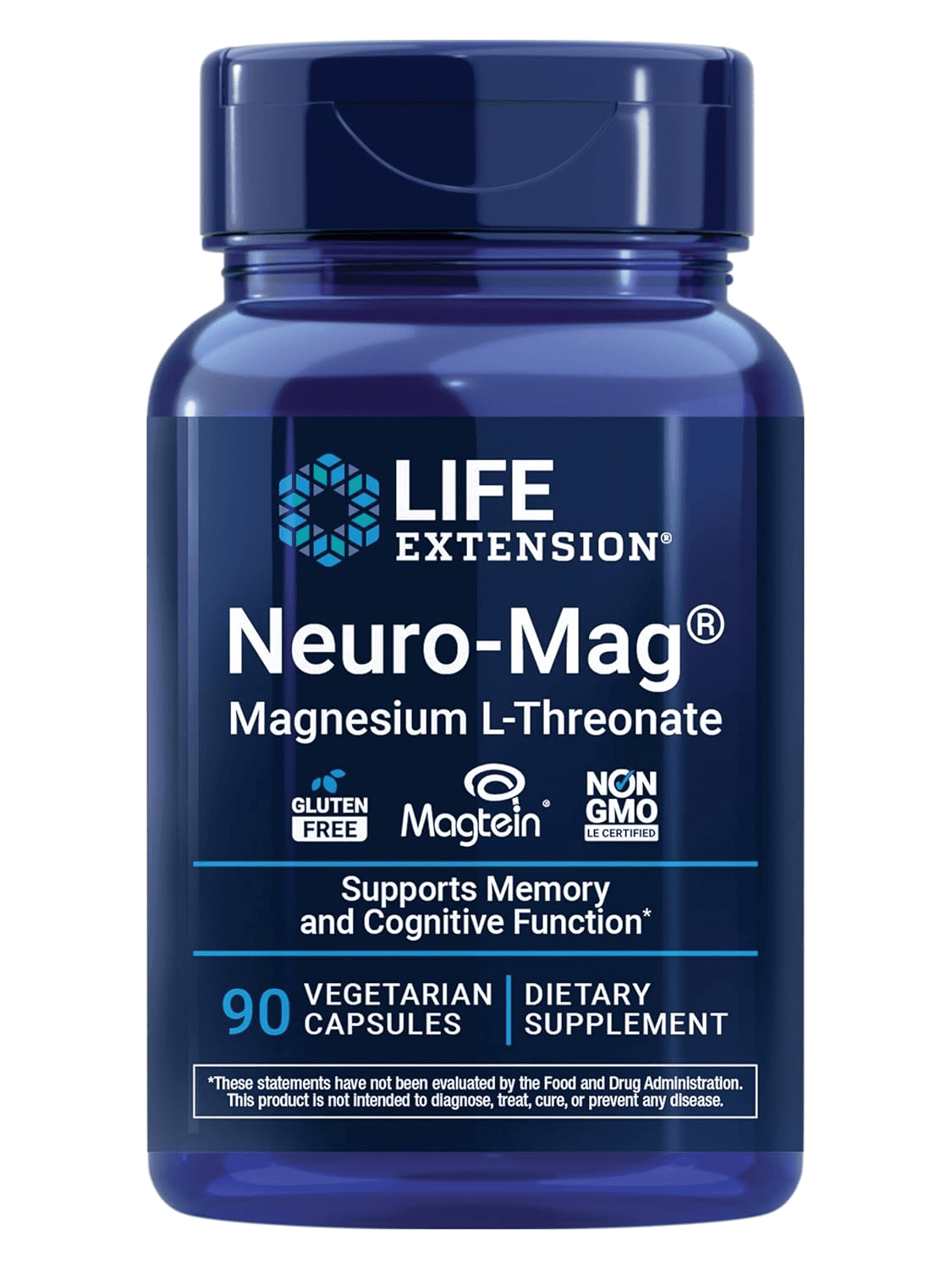
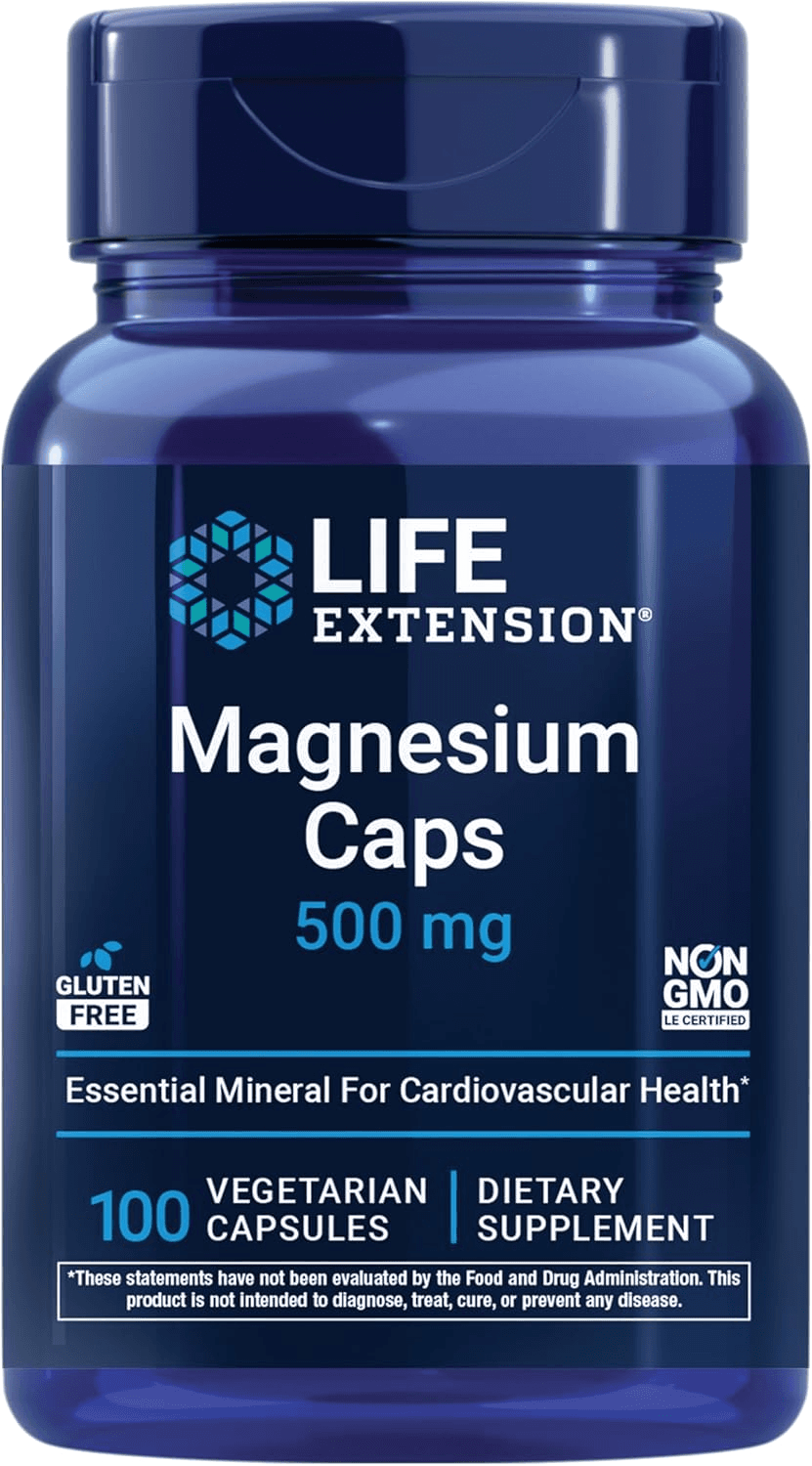
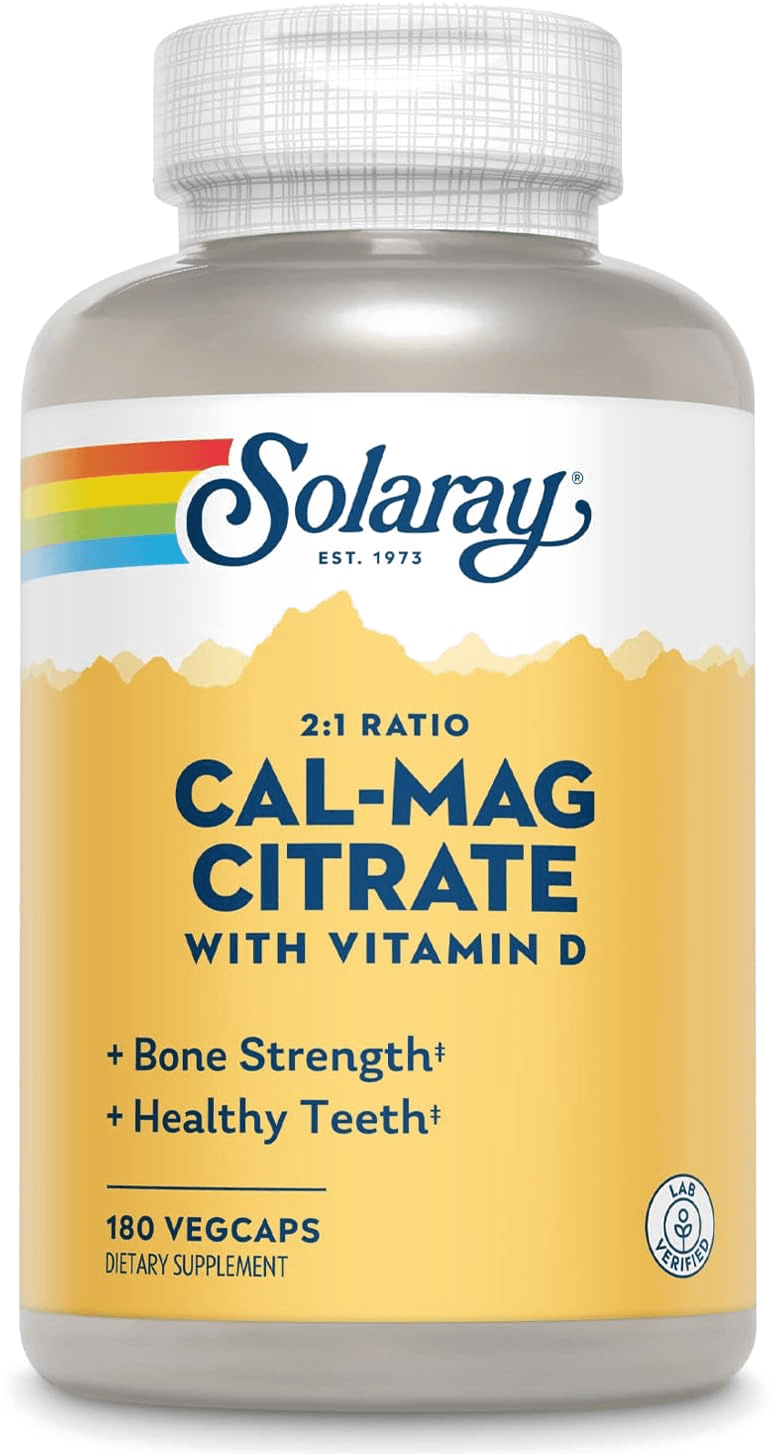
Magnesium is one of the most-deficient minerals in the US diet — roughly 60% of adults don't hit the RDA. But "take magnesium" isn't useful advice, because there are at least six bioavailable forms of magnesium, and they do meaningfully different things. Here's a practitioner's tour of which form does what, and which we'd pick for sleep specifically.
| Spec | Neuro-Mag L-Threonate | Magnesium Caps 500 mg | Cal-Mag Citrate 2:1 + D3 |
|---|---|---|---|
| Magnesium form | L-Threonate (Magtein®) | Oxide + Citrate + Succinate | Citrate (with calcium) |
| Primary action | Crosses blood-brain barrier; cognition + sleep | General mineral support | Bone + nerve support |
| Magnesium per serving (mg) | 144 (from 2,000 mg Magtein®) | 500 | 200 (plus 400 mg calcium) |
| Stomach-friendly | Yes | Moderate (oxide can be laxative at high dose) | Yes |
| Best for sleep | ★★★★★ | ★★★ | ★★★ |
| Best for cognition | ★★★★★ | ★★ | ★ |
| Best for muscle cramps | ★★ | ★★★★ | ★★★★ |
| Best for bone health | ★★ | ★★★ | ★★★★★ (with calcium) |
| Price per month | ~$40 | ~$12 | ~$10 |
Why the form matters
Magnesium is a positively-charged mineral. To get it into your body, you have to chelate it — bind it to something that lets it cross your gut wall. The "something" determines:
- How much actually gets absorbed
- Where in the body it ends up
- Whether it gives you GI side effects
The cheap forms (oxide, sulfate) are poorly absorbed and have a laxative effect. The expensive forms (threonate, glycinate, taurate) are well-absorbed and target specific tissues. Most "300 mg of magnesium" labels are misleading because what matters is the elemental magnesium absorbed, not the milligrams listed.
Magnesium L-Threonate — the brain-crossing one
Magnesium L-threonate (often sold under the trademark Magtein®) is the only form of magnesium that's been clinically demonstrated to cross the blood-brain barrier in meaningful amounts. The original MIT research that established this was funded by what eventually became the Magtein® patent — so there's a commercial interest, but the underlying biochemistry has been replicated in independent labs.
The clinical evidence:
- Improvements in working memory and executive function in mild cognitive impairment
- Modest improvements in sleep quality (particularly deep sleep architecture) in middle-aged and older adults
- Anecdotal but consistent reports of reduced anxiety and "racing thoughts" at bedtime
This is the magnesium to pick if your goal is sleep + cognition, and especially if you're 40+ and noticing the start of age-related cognitive changes.
Our pick: Life Extension Neuro-Mag — 144 mg of magnesium L-threonate per serving (from 2,000 mg of Magtein®). $39.99 for 30 servings.
Three-form complex — the daily generalist
Life Extension's Magnesium Caps combines oxide, citrate, and succinate — three different magnesium forms with three different tissue targets:
- Oxide → bulk; supports general mineral status (but is somewhat laxative at high dose)
- Citrate → smooth muscle; great for constipation and muscle cramping
- Succinate → mitochondrial; supports ATP production
At 500 mg per capsule, this is the "general use" magnesium — what most adults probably should be taking as part of a broad mineral foundation. Cheap ($11.99 for 100 servings = ~$0.12 per day), well-absorbed, no specialty targeting.
Not the best for sleep specifically — the threonate is meaningfully better for that — but it's the right magnesium if your goal is "fix the general dietary deficiency."
Calcium-Magnesium Citrate 2:1 — the bone-and-nerve classic
Solaray's Cal-Mag Citrate is the traditional bone-and-nerve mineral combination — 400 mg of calcium paired with 200 mg of magnesium in the citrate form (well-absorbed), with vitamin D3 added for the calcium absorption pathway.
This isn't really a "sleep magnesium." It's a daily structural-support mineral for people who are concerned about bone density (especially perimenopausal and postmenopausal women) or who don't get enough dietary calcium.
The 2:1 ratio is the standard — calcium and magnesium compete for absorption, so you need ~2x calcium to get equivalent absorption of both.
The sleep verdict
If your single goal is sleep, the order of effectiveness is:
- Magnesium L-threonate (Neuro-Mag) — best evidence, crosses the blood-brain barrier
- Magnesium glycinate — well-tolerated, calming, the practitioner default (we don't currently stock single-source glycinate)
- Magnesium citrate — moderately helpful, more known for the bowel side effect
- Magnesium oxide — poorly absorbed; not the right pick
For sleep specifically, take the Neuro-Mag about 60–90 minutes before bed. Most people who respond will notice changes within the first 7–10 days.
The verdict
Pick Life Extension Neuro-Mag if your goal is sleep and cognition. Pick Life Extension Magnesium Caps if your goal is fixing general magnesium deficiency cheaply. Pick Solaray Cal-Mag Citrate if your goal is bone density and you want calcium paired in. These three cover ~90% of the practical magnesium use cases.